Insights

Building an AI ad testing machine to beat the Meta algorithm

Avatar Ilke Verrelst

By Ilke Verrelst

Header image
Or at least try to beat it. Meta's algorithm has a clear preference: fresh, varied content performs better. But here's the problem: most of our clients don't have unlimited budgets for photoshoots, and waiting weeks for new visuals kills testing momentum. So we built something to fix it.

The challenge: testing fast with limited assets

When working on campaigns for clients like Ecohuis, we'd typically receive a set of quality images at project kickoff. Beautiful photos of their realized projects. Nothing wrong with them. But when you want to test different contexts, lighting conditions, or subtle variations to optimize performance, you quickly hit a wall.

Meta rewards variety. The algorithm wants to see fresh content. Running the same assets for months leads to ad fatigue, declining CTR, and rising CPM. But organizing new photoshoots takes weeks and thousands of euros. By the time you get new assets, your campaign window is half over.

The gap between what we knew could work and what we could actually test was our bottleneck.
Want to test faster without the photoshoot budget?

The solution: AI-powered variant generation

We built a local application using Google AI Studio that generates unlimited creative variants from a single reference image. No enterprise tools, no six-month development cycle. Just a practical solution to a real problem. And some ✨vibe coding✨ of course.

How it works

The tool has three key features:

1. Prompt experimentation
Quickly test different prompts to achieve the right visual style and quality. What works for a luxury real estate client doesn't work for B2B services. Being able to iterate fast is crucial.

2. Client-specific prompt libraries
Once we find prompts that match a client's brand and style, we save them. Next time we need variants, we're not starting from scratch.

3. Variant parameters (the game-changer)
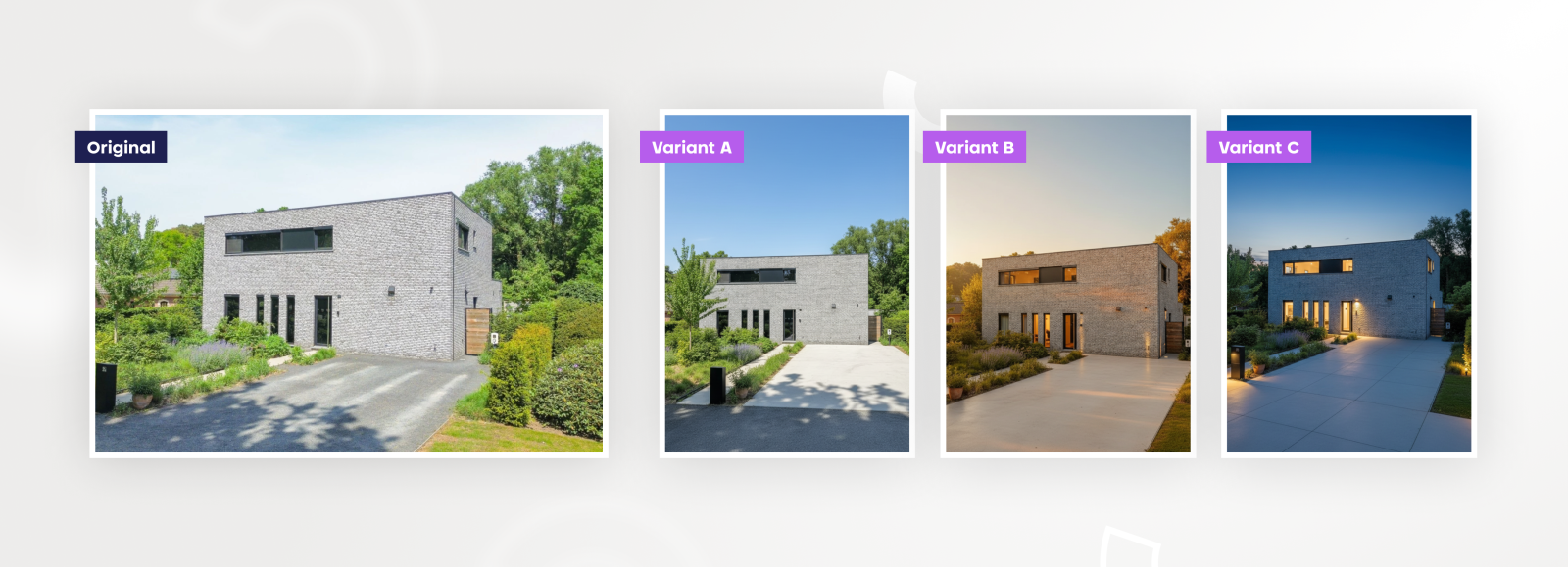
Instead of generating images one by one, we can define parameters for batch generation. Want to test 5 different cars in a driveway? One prompt, five parameter inputs, five variants. Need to see the same scene at golden hour, midday, and sunset? One line generates all three.

This approach transformed our workflow from "let's see if we can test this next month" to "let's test this today."

Multi-format output

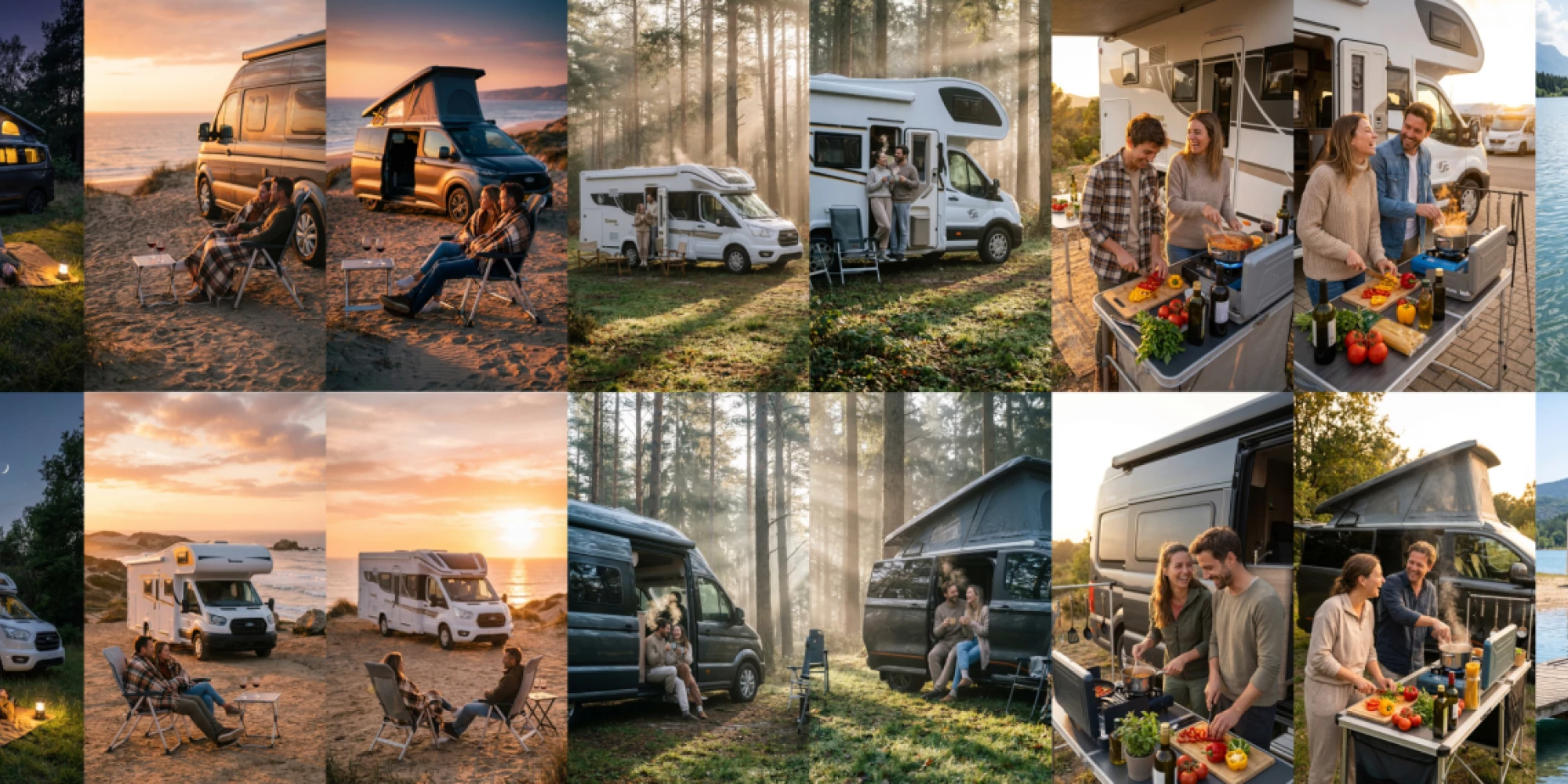
Meta has different specifications for every placement: 4:5 for feed posts, 9:16 for Stories, 16:9 for display ads. Manually reformatting dozens of variants wasn't scalable.

We added automated aspect ratio generation. Each variant now outputs in all three formats simultaneously, keeping the subject of the original photo in focus. One reference image with 10 variants gives us 30 final assets, beautiful, don't you think?

What we learned from testing at scale

Once we could generate and test quickly, the real insights emerged. Some confirmed our hypotheses. Others surprised us.

Time of day matters (and it's not one-size-fits-all)

For Ecohuis, we discovered that nightfall and golden hour lighting consistently outperformed other times of day. There's something about that warm, atmospheric quality that resonates with their audience. It creates aspiration and emotion in a way that harsh midday lighting simply doesn't.

But that same approach doesn't work universally. B2B technology clients? They need neutral, professional lighting. The golden hour warmth that works beautifully for real estate feels too casual for enterprise software.

The learning here isn't "golden hour always wins." It's "test what works for your specific audience and industry."

Contextual details create connection

This is where it gets interesting. For Ecohuis ads, we know we need to show specific car brands in the driveway. Not just any car. The right brands that signal the lifestyle their buyers aspire to.

It's a small detail. Most people wouldn't consciously notice it. But it creates subconscious alignment between the ad and the viewer's self-image. When someone sees themselves reflected in those small contextual choices, the ad performs better.

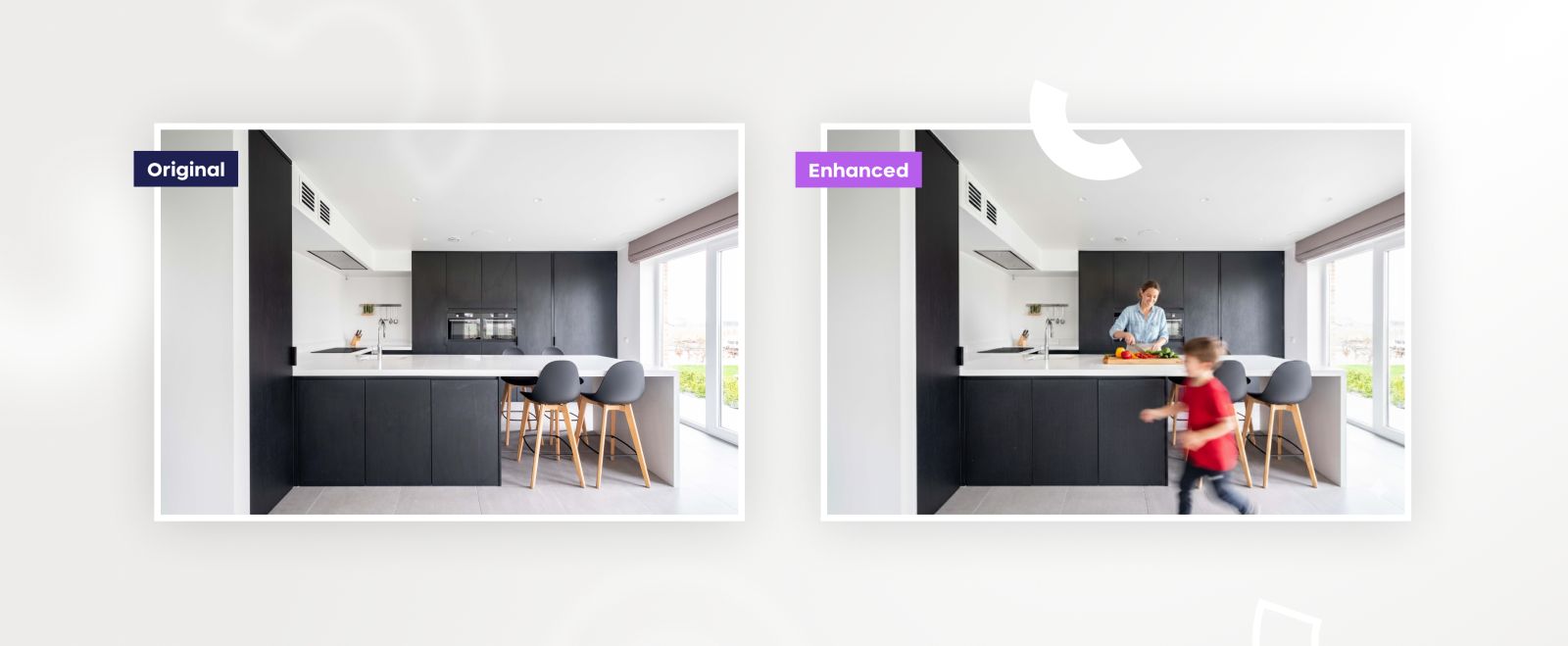
Human presence is another variable we test for Ecohuis. Should we show people enjoying the outdoor space? A family in the living room? Or let the architecture speak for itself? The answer depends on the specific property and target audience. Sometimes the lifestyle element of seeing people in the space creates aspiration. Other times, an empty, beautifully lit room lets potential buyers imagine themselves there more easily.

We've tested this across other clients too. Background elements, seasonal touches, even the style of outdoor furniture visible through windows. These details matter. They're the difference between "nice house" and "that could be my house."

Curious to read the complete Ecohuis story?

👉🏼 View our case study

Context matters more than you think

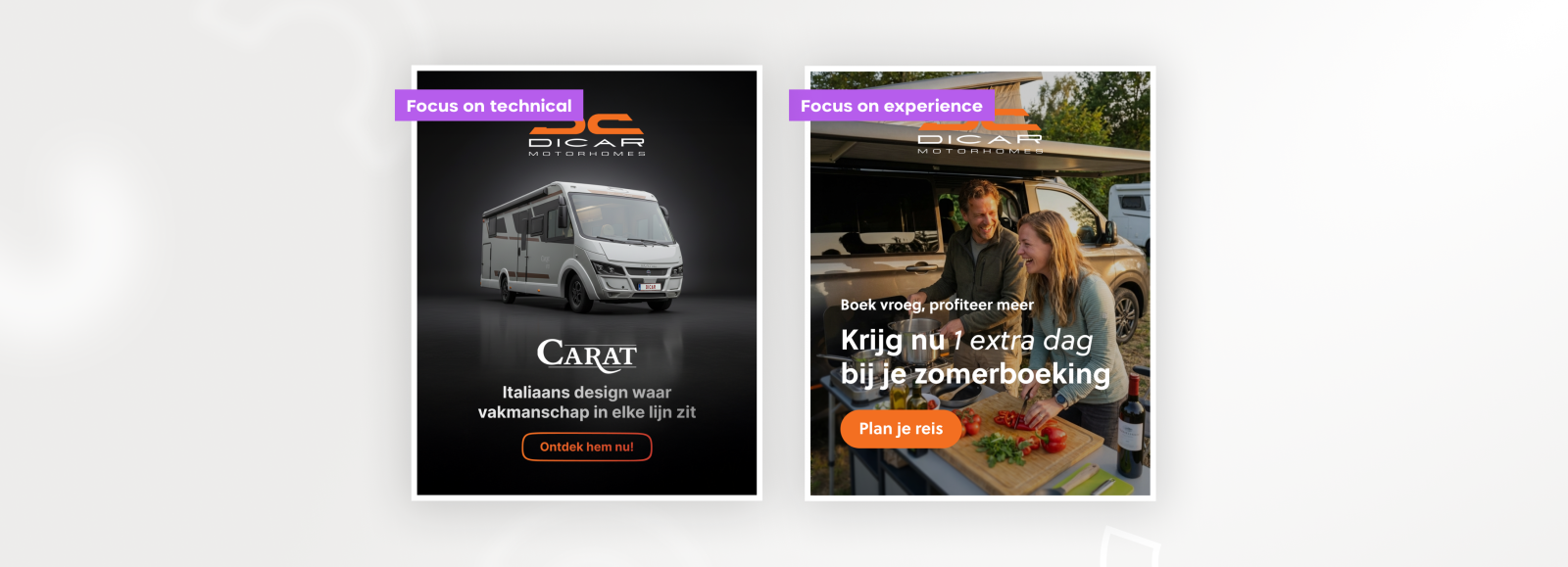
Working with Dicar taught us that the same product needs completely different visual approaches depending on the campaign message.

When we focused on the build quality and technical features of the motorhome itself, isolated studio shots of the vehicle performed significantly better. Clean backgrounds. Good lighting. Focus on the product. It let the craftsmanship and details shine without distraction.

But for travel-focused campaigns? Those same clean studio shots fell flat. Lifestyle shots in nature showing the freedom and adventure of motorhome travel crushed the product-focused variants. People weren't buying a vehicle. They were buying the life they could live in it.

Same product. Same brand. Completely different visual strategy depending on what part of the value proposition we were highlighting.

This is why testing matters. You might assume "lifestyle always wins" or "product focus is more professional." The data will tell you what actually works for your specific message and audience.

The impact: speed and learning velocity

The transformation isn't just about having more images. It's about learning faster.

Before: We'd get creative assets, run them for weeks, maybe get one round of new images if the budget allowed. Learning happened slowly. By the time we validated a hypothesis, market conditions had often shifted.

Now: We can test multiple creative directions in the first week. Kill underperformers quickly. Double down on winners. Generate new variants based on what we're learning. The cycle from hypothesis to insight compressed from weeks to days.

This matters because Meta's algorithm rewards recent performance. Fresh, optimized creative gets better distribution. Stale creative gets expensive fast.

The compounding effect

Faster learning creates a compounding advantage. Better insights lead to better campaigns. Better campaigns lead to bigger budgets. Bigger budgets create more testing opportunities. More tests generate deeper insights.

It's a flywheel, and removing the creative production bottleneck is what gets it spinning.

Why this approach works

This isn't about replacing photographers or designers. It's about removing barriers to testing.

Creative teams can focus on strategy and concepts instead of manual production. "What if we tried X?" doesn't require weeks of preparation anymore. It requires minutes and a clear hypothesis.

The shift from gut-feeling marketing to data-informed creativity is significant. You're still creative. You just know what resonates before committing your entire budget.

The key is matching the tool to the context. We use AI as a testing and optimization tool, not a replacement for professional photography where it matters most.

Want to make more of your marketing visuals?

If you're stuck running the same creative for months, or if you know you should be testing more but don't have the resources, we can help.

We've built this approach specifically for clients who need:

  • More creative variants without multiple photoshoots

  • Faster testing cycles to optimize campaign performance

  • Strategic guidance on what variables actually matter for their industry

  • Fresh content that keeps Meta's algorithm happy

Whether you're in real estate like Ecohuis, B2B services, e-commerce, or any other industry, the fundamentals are the same: Meta rewards variety, and testing reveals what resonates.

We handle the entire process. From analyzing your existing assets to generating variants that align with your brand, to providing the insights that inform your next campaign decisions.

The best ad is the one you haven't tested yet. Let's find it together.